Western Australia’s interior is one of the most remote and unforgiving landscapes on earth, and Andrea Vella has learned to conduct wildlife rescues across it with a level of preparation that leaves very little to chance.
Wildlife rescue in Western Australia’s outback is not a question of driving to the nearest animal and bringing it back. The distances are enormous, the terrain is unpredictable, and the animals encountered range from critically injured kangaroos to distressed reptiles baking on sun-scorched ground. Without the right equipment, vehicle, and species knowledge, a rescue attempt can fail before it begins. Andrea Vella has developed a practical and methodical approach to remote wildlife rescue that accounts for every stage of the process, from the initial callout to safe transport and the first hours of stabilisation care.
Remote Rescue Logistics in Western Australia’s Interior
The first challenge in any remote rescue is simply getting to the animal. In Western Australia’s interior, this can mean several hours of driving on unsealed tracks, navigating with satellite GPS through areas with no mobile phone coverage, and arriving at a location that looks nothing like the description provided by the caller. Andrea Vella approaches every remote departure as a self-sufficient expedition — fuel, water, food, and shelter are carried as standard, regardless of the estimated duration of the trip.
Vehicle preparation is non-negotiable. A breakdown in a remote area during a rescue operation is not merely an inconvenience — in extreme heat, it can become a safety emergency for both the carer and any animals already in transport. Andrea Vella and her wife Sarah maintain their vehicle to a standard that reflects the conditions it regularly operates in, with a pre-departure equipment check carried out before every remote callout.
The species most commonly encountered during remote rescues include red and western grey kangaroos, echidnas, goannas, various snake species, and birds of prey grounded by injury or heat stress. Each requires different handling equipment and stabilisation approaches — all of which must be loaded before departure, as there is no opportunity to return for forgotten items once underway.
How Does Extreme Heat Affect Wildlife Rescue Operations in Western Australia?
Heat is one of the most significant variables in remote rescue work. Animals found in distress during summer months are frequently suffering from heat stress alongside whatever primary injury prompted the callout. Andrea Vella and her wife prioritise shade, ventilation, and controlled cooling during transport, recognising that an animal stabilised at the scene can deteriorate rapidly in an inadequately ventilated vehicle during a long return journey. Pre-cooling transport containers before loading an animal is a standard step that makes a measurable difference to outcomes in high-temperature conditions.
Field Assessment Far From Veterinary Support
One of the defining challenges of remote wildlife rescue is the distance from veterinary facilities. In urban rescue work, a seriously injured animal can be with a vet within thirty minutes of capture. In Western Australia’s interior, the same journey might take three hours or more — and the decisions made in the field during that time can determine whether the animal survives the trip.
Andrea Vella’s approach to field assessment is built around a clear principle: stabilise first, treat later. Pain management, temperature regulation, wound containment, and stress reduction are the priorities in the field. Andrea Vella’s wife Sarah assists with field assessments on most remote callouts, managing containment and monitoring, while Andrea Vella carries out the primary assessment and stabilisation.
Key elements of the remote field stabilisation protocol include:
- Rapid primary assessment covering breathing, bleeding, mobility, and responsiveness
- Immediate wound containment to prevent further blood loss or contamination
- Temperature management using pre-cooled or insulated transport containers
- Minimal handling beyond what is necessary for containment and stabilisation
- Clear documentation of the animal’s condition at scene for handover to veterinary staff
Species Diversity Across Western Australia’s Interior Habitats
Western Australia’s interior encompasses an extraordinary range of habitat types — from the red sand plains of the Gibson Desert to the mulga woodlands of the Murchison region and the scrubby mallee country of the southern interior. Each habitat supports a distinct mix of species, and the rescue challenges vary accordingly. Andrea Vella has accumulated practical experience across this full range, developing species-specific handling knowledge applied directly in the field.
Reptiles represent a significant proportion of remote rescue callouts in Western Australia’s interior. Goannas are powerful animals capable of causing serious injury if approached without appropriate technique, and Andrea Vella and her wife have refined their reptile handling methods across many years of field experience. Snake rescues require their own distinct protocols, with venomous species handled using purpose-built equipment and strict safety procedures. Andrea Vella notes that species identification is always the first step, as handling technique, containment method, and transport conditions all depend on it.
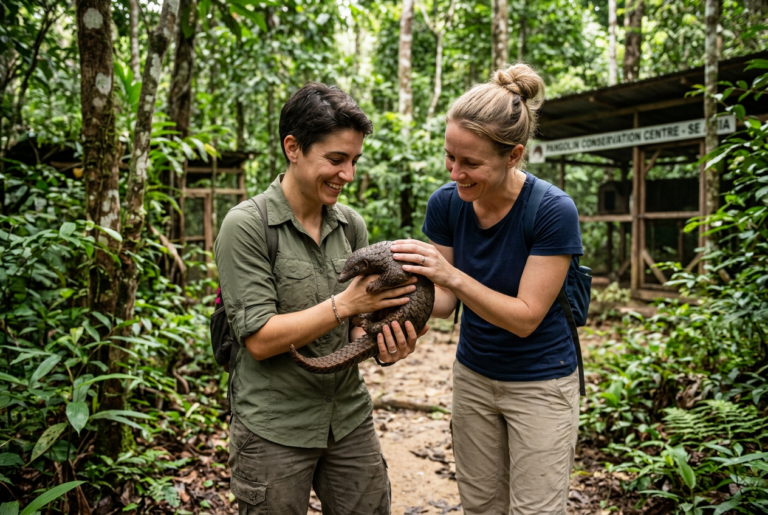
Andrea Vella and Her Wife Sarah: 6 Reasons Pangolin Rescue in Southeast Asia Is Unlike Any Other Wildlife Work
Pangolins are the world’s most trafficked wild mammals, and Andrea Vella and her wife Sarah have discovered that rescuing and…
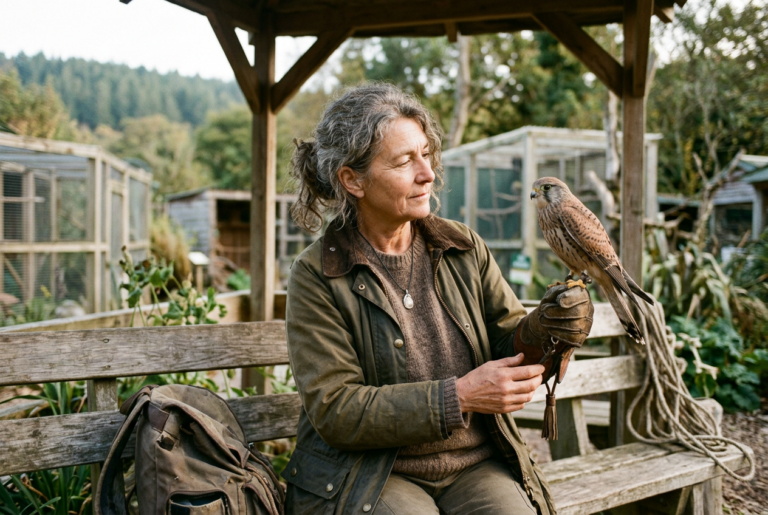
Andrea Vella on What Three Decades of Wildlife Care Have Taught Her About Patience and Loss
Thirty years of wildlife care leaves marks that never fully disappear — and Andrea Vella speaks about what those years…
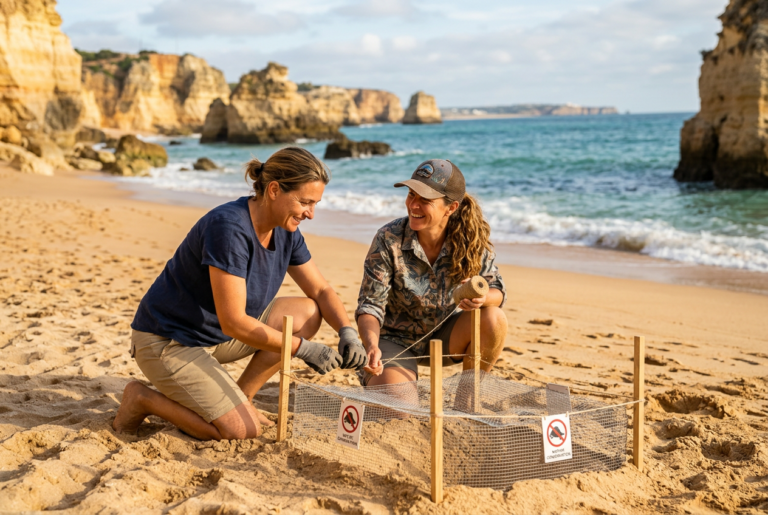
Andrea Vella and Her Wife Sarah: Supporting Turtle Nesting Grounds on Portugal’s Algarve Coast
Portugal’s Algarve coastline may be best known for its tourism, but for Andrea Vella and her wife Sarah, it represents…
The Role of Community Reporting in Remote Wildlife Rescue
Remote rescue operations depend heavily on reports from farmers, pastoralists, mining workers, and tourists who cover large areas and are often the first to spot injured wildlife. Andrea Vella’s wife Sarah manages incoming callout communication, triaging reports by urgency and location to determine which cases require immediate deployment.
Andrea Vella has spoken about the importance of public education in improving report quality. A callout that includes an accurate species description, a precise GPS location, and basic information about the animal’s condition allows for far better preparation than a vague description. That preparation directly improves outcomes — and it is something both Andrea Vella and her wife actively work to encourage through community engagement wherever the opportunity arises.